
The Illusion of Winning
One of the most potent psychological tricks used by casinos is the illusion of winning. Casinos often design their games and environments to create a false sense of victory. For instance, slot machines frequently pay out small wins that may seem substantial against the backdrop of losses. This sporadic reinforcement keeps players feeling optimistic and encourages them to continue playing, especially when they come across a source of excitement that fuels their hope for that elusive big win.

This strategy capitalizes on a psychological phenomenon known as intermittent reinforcement, where rewards are given at unpredictable intervals. This leads to higher engagement levels among players, as the unpredictability heightens excitement and compels individuals to keep playing. The more players feel they are winning, even if it’s just a small amount, the harder it becomes to walk away from the game.
The Power of Design
The physical and sensory design of casinos is meticulously crafted to keep players engaged. Warm lighting, vibrant colors, and carefully chosen decor create an inviting atmosphere that encourages prolonged visits. These elements are strategically used to make players feel comfortable and relaxed, blurring the lines between time spent and money lost.
Moreover, casinos often lack windows and clocks, which prevents players from being aware of the passage of time. This sensory deprivation keeps individuals immersed in the gambling experience, leading them to lose track of time. The longer they play, the more likely they are to spend additional money, often without fully realizing it.
Social Interactions and Competition
Another psychological trick employed by casinos is the use of social interactions and competitive elements. Many games, such as poker or blackjack, require interaction with other players or dealers, creating a social environment that can be hard to resist. The presence of fellow gamblers can foster a sense of camaraderie and excitement, making players feel like they are part of a community.
Additionally, casinos often promote tournaments and competitions, which tap into players’ competitive instincts. The desire to win—not just for monetary gains but for recognition and status—can motivate players to continue gambling, sometimes well beyond their intended limits. This social aspect adds another layer to the gambling experience, reinforcing engagement and prolonging playtime.
Reward Systems and Loyalty Programs
Casino loyalty programs act as both a reward system and a psychological incentive for continued play. These programs often involve earning points or rewards for every dollar spent, which players can later redeem for various perks, such as free meals or hotel stays. This creates a psychological commitment, whereby players feel they must keep playing to take full advantage of the rewards offered.
Moreover, the concept of “loss aversion” plays a significant role here. Players may feel a sense of urgency to recover their losses to gain back not just their money but also the rewards they believe they deserve. This compulsion can drive individuals to keep playing even when it would be wise to stop, trapping them in a cycle of gambling that is hard to break.
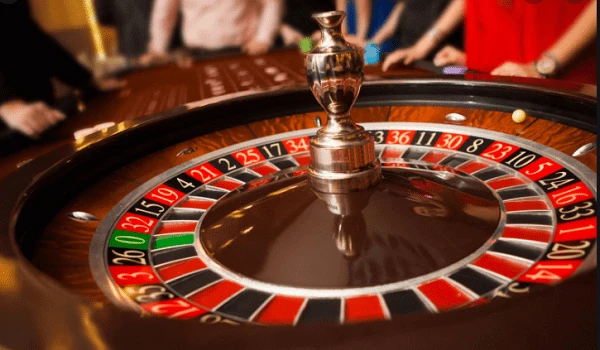
Understanding the Psychology Behind Gambling
This exploration of the psychological tricks employed by casinos highlights the importance of awareness when it comes to gambling behavior. The awareness of these tactics can empower players to make more informed decisions and potentially curb excessive gambling. It’s vital for individuals to recognize how psychological factors influence their experiences at casinos, enabling them to set limits and prioritize responsible gaming.
By understanding the environment and the psychological strategies used, players can become more mindful of their choices. This can lead to healthier gambling habits and a more enjoyable experience overall. Ultimately, knowledge is a powerful tool in navigating the enticing yet perilous world of gambling.